Buying Newer Construction Homes In Wrightstown
June 11, 2026
June 11, 2026
Thinking about buying a newer construction home in Wrightstown? You are not alone. For many buyers, the appeal is simple: modern layouts, lower near-term maintenance, and the chance to get a home that fits how you actually live today. But in Wrightstown, buying newer construction is about more than picking a floor plan and finishes. You also need to think about lot details, subdivision rules, permits, utilities, and timing. This guide will help you understand what to expect so you can move forward with confidence. Let’s dive in.
Wrightstown is a growing Fox River community in Brown and Outagamie counties, with village resources that highlight planning, zoning, water, sewer, and building permit services. That matters because newer construction here often involves more moving parts than a resale home.
It also stands out because newer homes make up a smaller slice of the broader Brown County housing market. Brown County data shows much of the housing stock is older, with roughly 53% of homes built before 1980 and only a small share built from 2010 to 2017. That makes a newer home in Wrightstown feel like a more modern option in a market where older housing still dominates.
For you as a buyer, that can mean access to updated layouts, attached garages, and design features that match current preferences. It can also mean paying close attention to total cost, resale fit, and the specific neighborhood framework around the home.
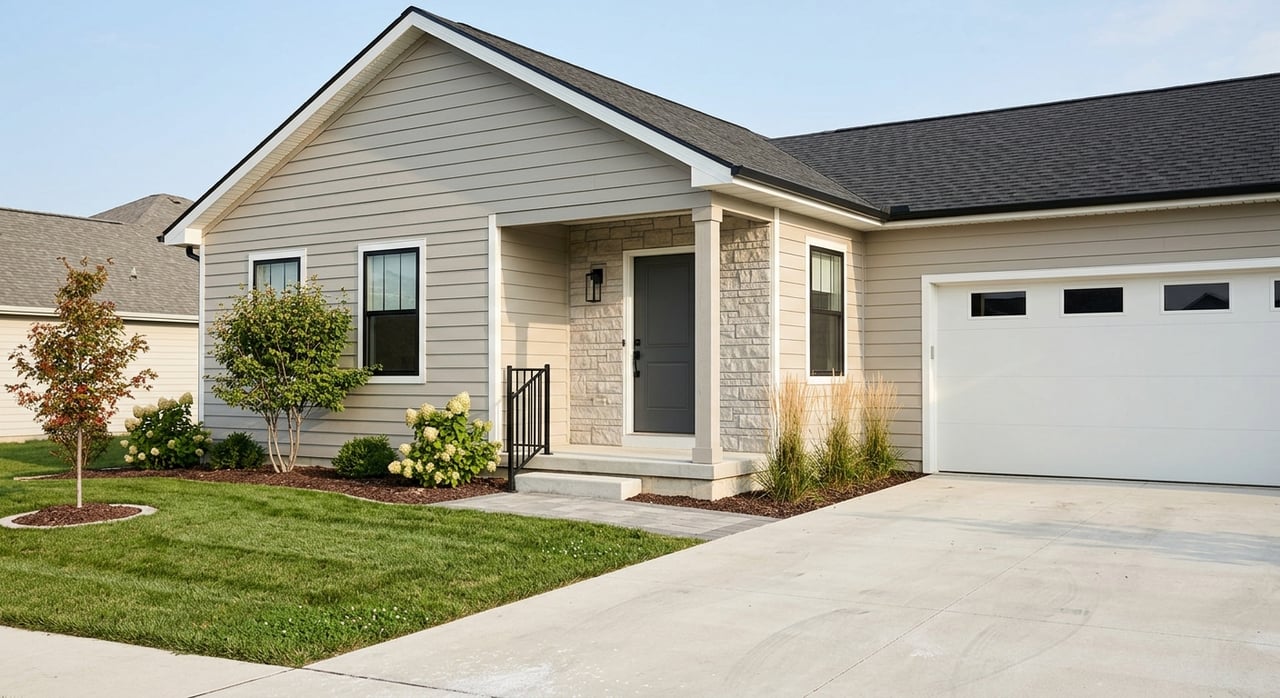
Current newer-construction opportunities in Wrightstown are largely tied to subdivision-style neighborhoods, including areas around Royal St. Pats and Meadowlands of Royal St. Patricks. Inventory is not especially broad, so buyers often compare a smaller group of homes and lots rather than dozens of new-build options.
Many of these lots already have subdivision infrastructure in place. That can include paved roads, curb and gutter, sidewalks, streetlights, sewer and water laterals to the lot line, and residential zoning. Even with that infrastructure, lot size, orientation, drainage, and subdivision requirements still deserve close review.
Some available parcels are builder-of-choice lots, while others are part of a more structured subdivision setting. Before you get too far into the process, it is smart to confirm whether the lot has restrictive covenants, HOA rules, or architectural requirements.
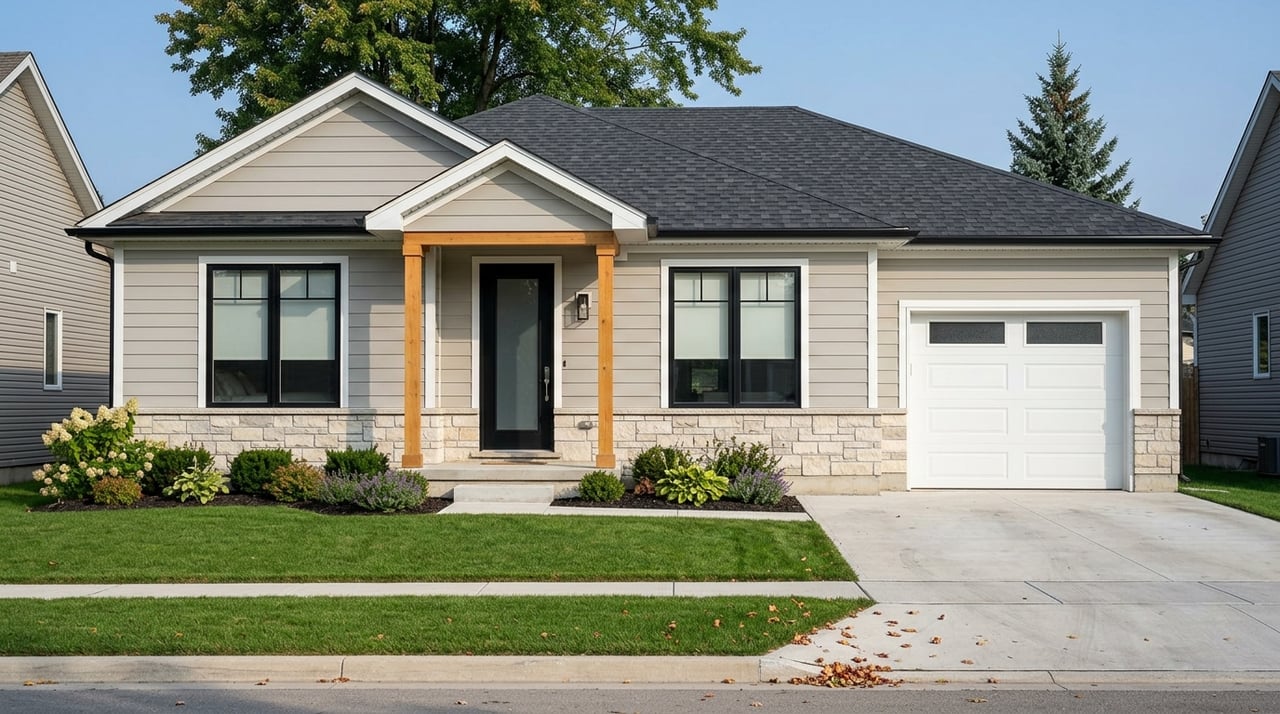
Wrightstown’s newer inventory tends to lean toward ranch and split-bedroom ranch designs. One-story homes are especially common, though some two-story plans are available, including layouts with a main-level primary suite.
Features in recent newer homes often include:
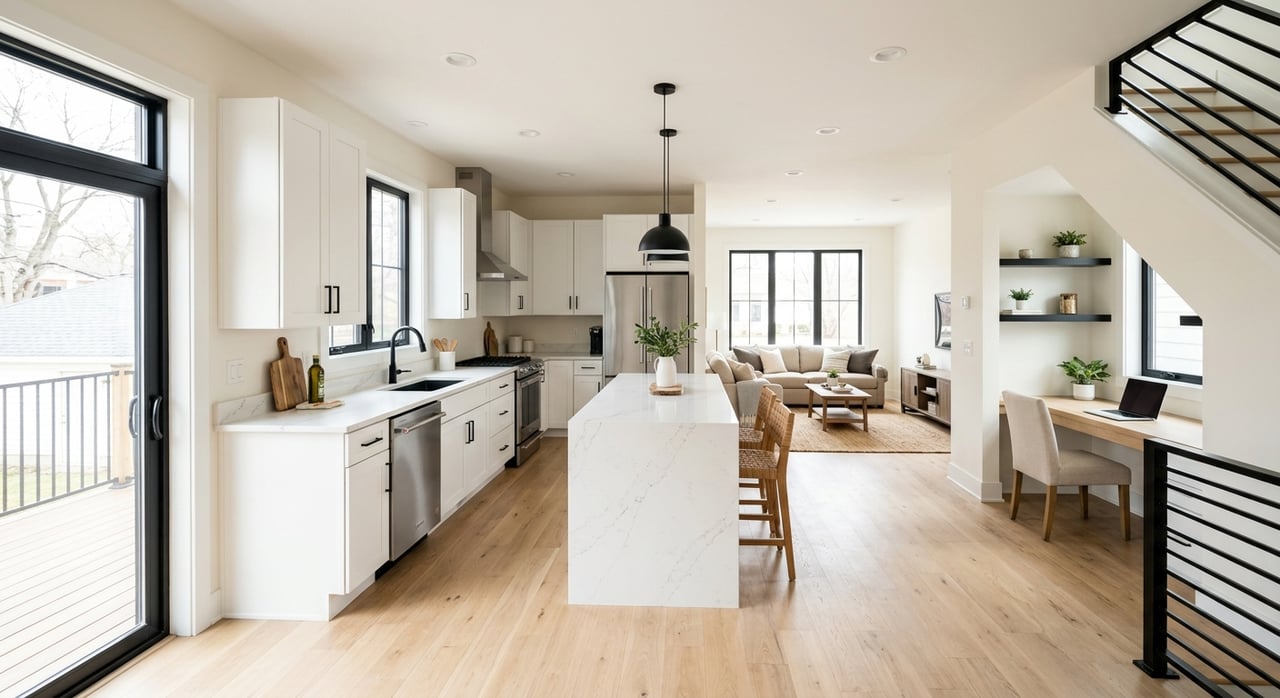
These features reflect what many buyers want today: flexible living space, practical storage, and easier daily function. If you are comparing plans, look beyond square footage and focus on how the layout fits your routine now and your plans for the next several years.
In Wrightstown, the lot is not just where the house sits. It can shape your budget, timeline, and long-term use of the property.
Some lots in local subdivisions are around 10,000 square feet, while others are much larger, including parcels of about 0.61 acres. That difference can affect privacy, yard use, drainage, grading, and the design that will actually fit the site.
If a property is near the Fox River or another lower-lying area, you may also need to account for floodplain, shoreland, wetland, or stormwater review. Wrightstown’s development packet specifically calls for those items on applicable sites, so it is best to verify them early rather than treat them as a late-stage surprise.
One of the biggest differences between buying newer construction and buying resale is timing. In Wrightstown, the village planning and zoning process can affect how quickly a lot or build moves forward.
The village lists several approvals that may come into play, including:
The village says forms must be submitted at least two weeks before a Planning Commission meeting. Its 2025 development packet also recommends a pre-application meeting and notes that staff typically issue a review letter within 15 business days of submittal.
That does not mean every buyer will face a long approval process. It does mean that if you are buying a lot, building from scratch, or dealing with site-specific issues, you should expect the timeline to have more steps than a traditional resale transaction.
Wrightstown requires a building permit before construction begins. The village’s building permit process includes forms and requirements related to erosion control, right-of-way, utility service, site plans, driveway specifications, and covenant sign-off.
Village code also requires three sets of plans for new one- and two-family dwellings. Starting work without a permit can trigger double fees, which is one more reason to make sure the process is organized from the start.
At the state level, Wisconsin’s Uniform Dwelling Code applies to one- and two-family dwellings built since June 1, 1980. The code sets minimum standards for fire safety, structural strength, energy conservation, erosion control, heating, plumbing, and electrical systems. You should also expect phased inspections during construction before work is covered up.
Wrightstown’s development packet notes that contractors must be licensed with the State of Wisconsin. It also states that final inspection and a certificate of occupancy are required before the home can be occupied.
One of the easiest mistakes in new construction is focusing only on the headline price. In Wrightstown, your actual cost may include much more than the base home figure.
The village’s 2025 development packet says Wrightstown does not impose impact fees. Even so, projects may still include planning and engineering fees, zoning fees and permits, utility connection fees, parkland dedication, and building fees.
That is especially important because lot-only parcels and completed homes are often priced separately. In practice, you may need to think about your budget in three parts:
Recent local examples show lot-only parcels in some subdivisions around the $60,000 to $75,000 range, while completed newer homes have recently been listed in the mid-$600,000s to just under $800,000. That does not define every Wrightstown build, but it does show that newer construction is often a premium segment compared with Brown County’s broader median owner-occupied home value.
A newer home can offer peace of mind, but only if you know what is included and what happens if something needs attention after closing.
Wisconsin DSPS recommends using a written contract that clearly states the design, materials, price, dates, and warranties. It also recommends lien waivers and holding final payment until the contract terms are satisfied.
You should also ask how the builder handles punch-list items and warranty calls. DSPS notes that Wisconsin’s Right to Cure process generally gives the builder an opportunity to fix issues before legal action, so it helps to understand the builder’s service process before you sign.
For homes that are not yet complete, it is wise to ask how builder deposits are handled. You should also remember that you do not have to use a builder’s preferred lender. Even with a brand-new home, closing still involves important steps like home inspection, homeowner’s insurance shopping, and title insurance shopping.
If you want to stay ahead of surprises, start with these questions:
These questions can help you compare homes more clearly and avoid treating two very different opportunities like they are the same deal.
Buying newer construction in Wrightstown is often less about finding endless inventory and more about making a careful comparison among a limited number of strong options. The right choice usually comes down to five things: lot quality, covenant rules, timeline, all-in cost, and how well the floor plan fits your life.
That is where local guidance can make a real difference. When you understand the village process, ask the right questions early, and keep your budget focused on the full picture, you are in a much better position to buy a home you will feel good about long after closing.
If you are weighing newer construction in Wrightstown and want clear, local guidance through the process, the team at Batterman Integrity Group is here to help you compare options, understand the details, and move forward with confidence.
Stay up to date on the latest real estate trends.
Get assistance in determining current property value, crafting a competitive offer, writing and negotiating a contract, and much more. Contact us today.