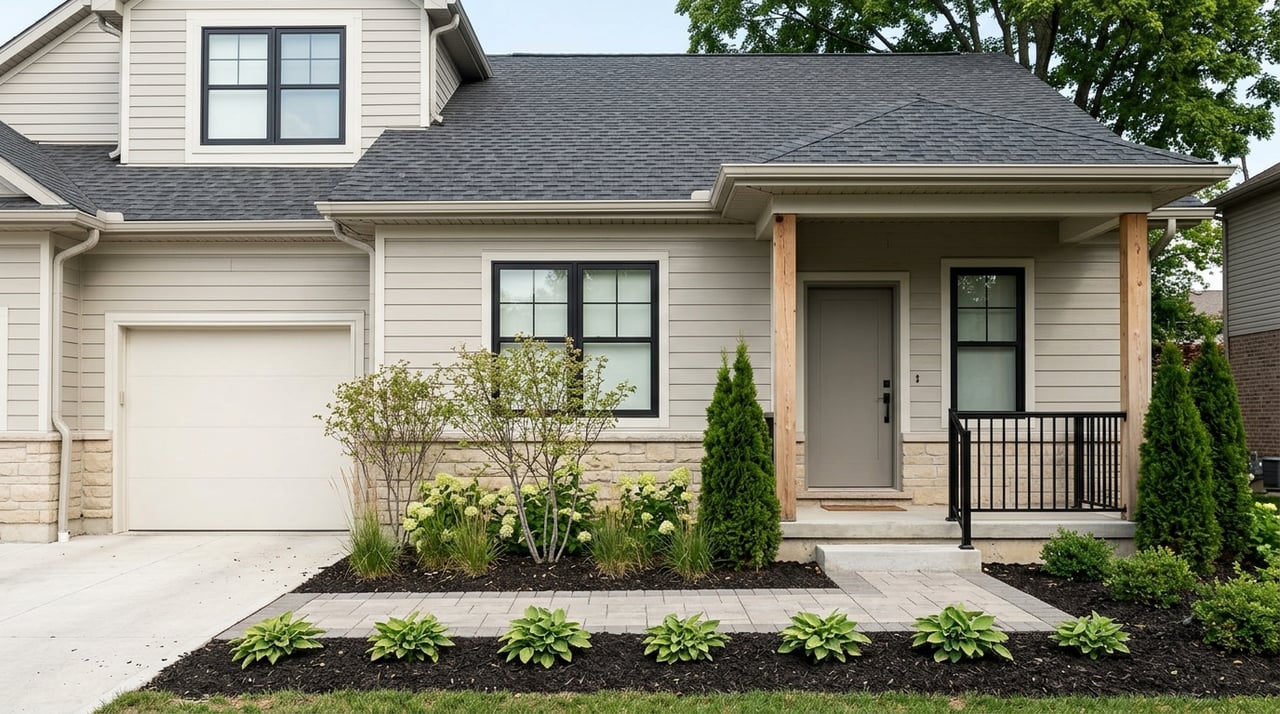
Downsizing in Appleton WI: Smart Options for Empty Nesters
April 16, 2026
April 16, 2026
If your house suddenly feels too big, too busy, or too expensive to maintain, you are not alone. Many Appleton homeowners reach a point where extra bedrooms, stairs, and yard work no longer fit the way they want to live. The good news is that downsizing can create more flexibility, less upkeep, and a clearer financial picture when you plan it well. Let’s dive in.
Appleton has a sizable population of older adults, with 16.6% of residents age 65 or older, according to the U.S. Census QuickFacts for Appleton. The city also has 31,030 households, and local housing data suggests many longtime owners may have meaningful equity built up over time.
That matters because downsizing is often about more than square footage. Appleton’s housing assessment says 41% of homeowners own without a mortgage, and regional home values have roughly doubled over the last decade, based on the city’s 2025 housing assessment. For many empty nesters, that creates options: simplify your lifestyle, reduce maintenance, or free up equity for retirement goals, travel, or future planning.
One of the biggest local realities is that Appleton still leans heavily toward detached homes. The city’s housing assessment says detached single-family homes dominate the inventory, 64% of homes were built before 1970, the vacancy rate is 3.5%, and homeowner vacancy is effectively zero.
In plain English, that means downsizing opportunities exist, but they may not always be easy to spot at a glance. If you want less maintenance, a smaller footprint, or a simpler layout, you may need a focused search strategy.
For many empty nesters, condos and townhomes are the most obvious downsizing path. They can offer less exterior maintenance, a more compact layout, and an easier day-to-day routine than a larger detached house.
Appleton does have these options, but inventory is still limited. The city’s planning documents note that only about 6% of the housing stock is considered “missing middle” housing, which includes attached ownership and 2-4 unit housing, based on the same 2025 housing assessment. That helps explain why condos and townhomes can feel competitive when they hit the market.
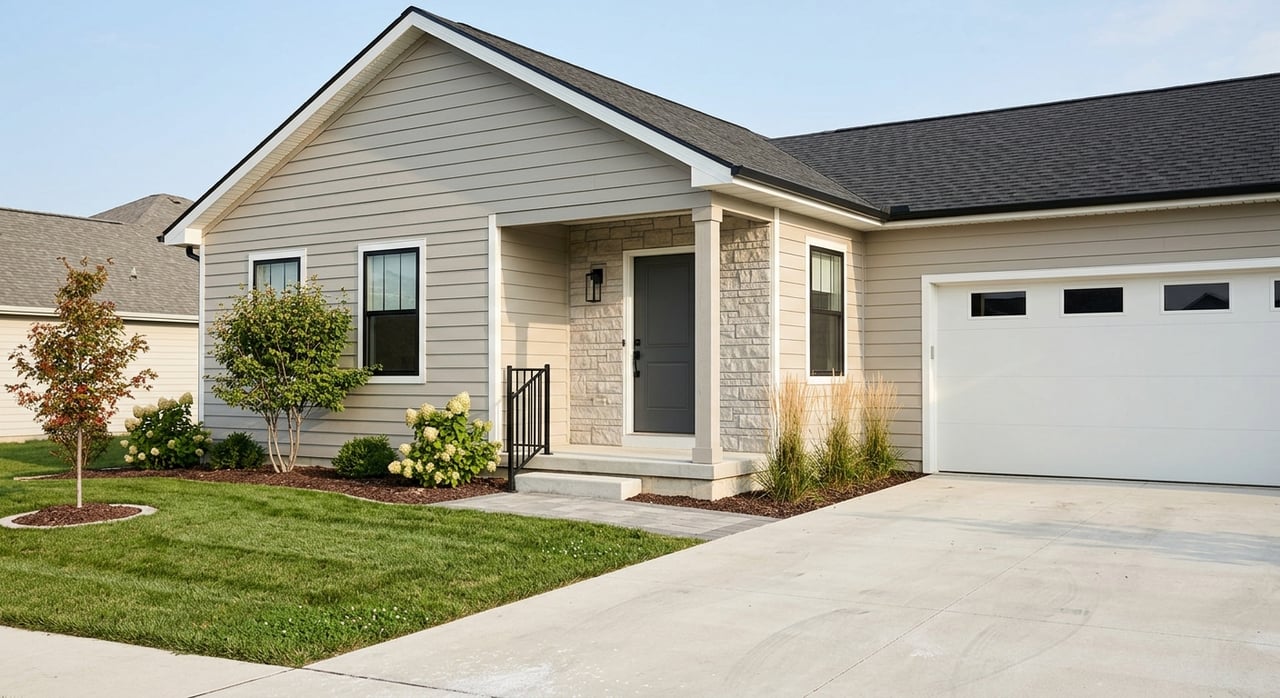
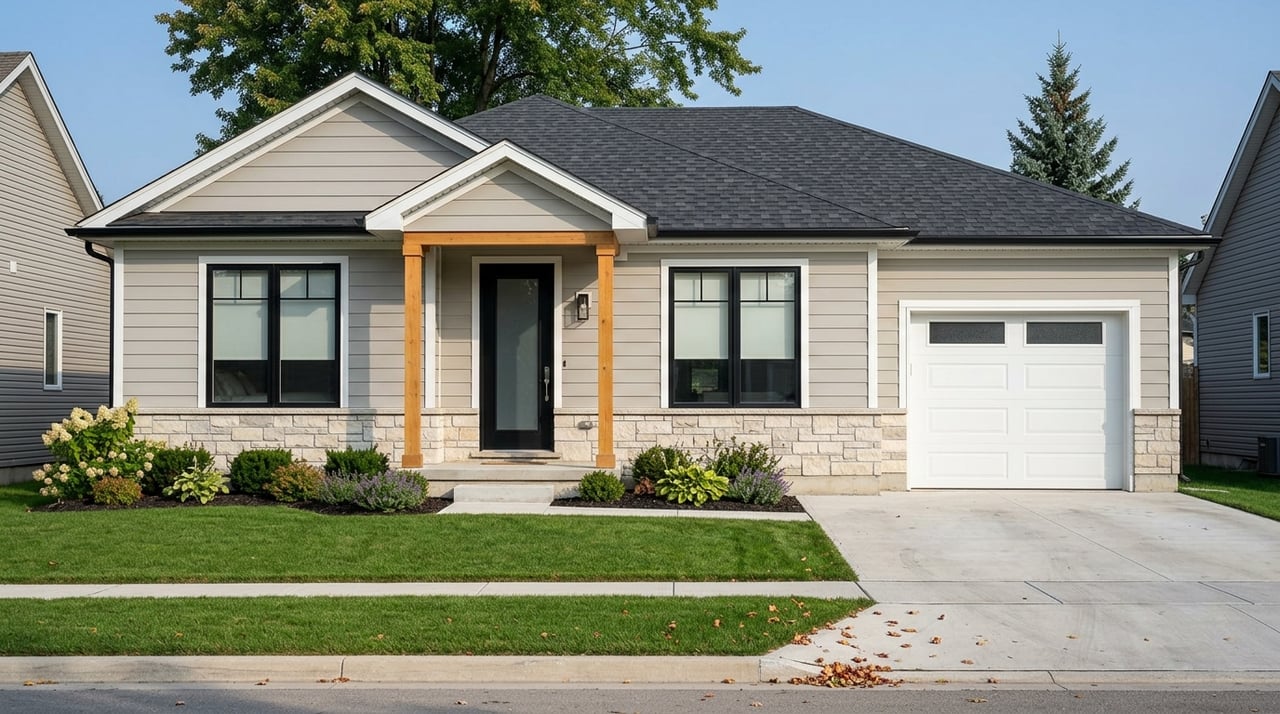
Not every downsizer wants shared walls or an attached format. If you still want a private yard, garage, or standalone home, a smaller detached property can be a strong middle ground.
This option fits Appleton well because the existing inventory is still mostly single-family housing. The city assessment also points to interest in smaller-lot homes, townhomes, duplexes, fourplexes, and other housing types that add variety over time. If you want less upkeep without making a dramatic lifestyle shift, a one-level or smaller detached home may be worth targeting.
A practical downsizing search may also include nearby Fox Cities communities. The market context in the research suggests condo activity in and around Appleton, including nearby areas such as Little Chute, Kimberly, Greenville, and Neenah.
For you, that can mean more choices in layout, price point, and maintenance level. If your priority is the right fit rather than a specific street, widening the map can make the search easier.
The best downsizing move depends on how you want to live, not just what you want to spend. Before you start touring homes, it helps to define what “simpler” really means to you.
Ask yourself:
These answers can shape your home search quickly. They also help you avoid trading one type of stress for another.
This is one of the biggest questions for downsizers, and the answer depends on your finances, your risk tolerance, and how flexible your timeline is.
The Consumer Financial Protection Bureau says that if you want to move, you normally try to sell your home first before buying another one. That approach often reduces the risk of carrying two homes at once and can give you a clearer budget for your next purchase.
Buying first can work, but it usually requires more cash reserves or temporary financing. That is especially important when you factor in transaction costs on both sides.
The CFPB notes that purchase closing costs typically run about 2% to 5% of the home price, before your down payment. That means your next home may require more cash at closing than you initially expect.
According to Freddie Mac, sellers should also expect closing-related expenses. Real estate commissions typically range from 3% to 8% of the sale price, and fees and taxes often run another 2% to 4%.
When you add those together, it becomes easier to see why many empty nesters prefer to sell first. It can reduce uncertainty and help you make your next move from a stronger financial position.
Before you make a downsizing plan, it helps to get realistic about your current home’s value, taxes, and likely net proceeds. That step can help you compare your options with less guesswork.
Outagamie County offers several useful public tools. Through the county’s property listing and assessment resources, you can search parcel details and review assessment information. The county also explains how to understand your tax bill, including how assessed value, fair market value, special assessments, and credits appear.
The City of Appleton GIS and parcel tools can also help you look at parcel data, zoning layers, and property information. These tools are not a replacement for a pricing strategy, but they can help you start with better local information.
Downsizing is not just a math problem. It is also a life transition, and that part can take longer than people expect.
According to AARP’s decluttering guidance, it helps to start with small, manageable tasks and begin with the least emotional areas of the home. Sentimental items often take the longest, so a staged plan usually works better than a rushed one.
A simple timeline can help:
If you are helping a parent, planning your own next chapter, or weighing long-term support needs, local guidance may also help. The Outagamie County ADRC offers no-cost, unbiased information, referrals, benefits and long-term-care counseling, and related support for older adults, caregivers, families, and people planning for the future.
For housing-specific guidance, both HUD and the CFPB point consumers toward HUD-approved housing counselors for personalized help with buying, selling, and related housing questions.
In Appleton, downsizing is often less about finding the “perfect small home” right away and more about building the right plan. Inventory still leans heavily toward older detached homes, while lower-maintenance options like condos and townhomes are a smaller part of the market.
That means your best move may involve a few clear steps:
When you approach downsizing this way, you can make decisions with more confidence and less pressure.
If you are thinking about downsizing in Appleton or anywhere in the Fox Cities, Batterman Integrity Group can help you evaluate your home’s value, compare your next-step options, and build a plan that fits your timeline.
Stay up to date on the latest real estate trends.
Get assistance in determining current property value, crafting a competitive offer, writing and negotiating a contract, and much more. Contact us today.