Wrightstown Riverfront Living: Homes, Views, and Lifestyle
May 7, 2026
May 7, 2026
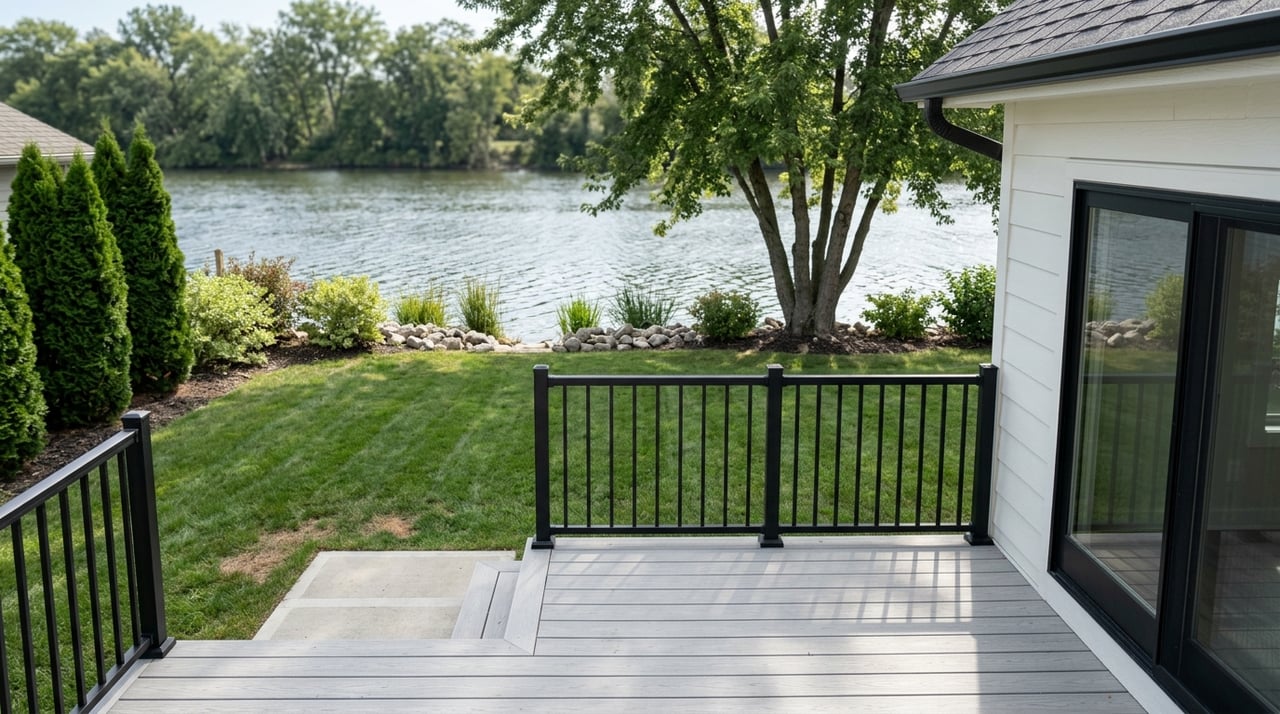
If you love the idea of water views, easier access to outdoor recreation, and a quieter small-town setting, river living in Wrightstown may be worth a closer look. This Fox River community offers a lifestyle that feels scenic and relaxed, while still keeping you roughly halfway between Green Bay and Appleton. In this guide, you’ll learn what makes river life here appealing, what homes near the water often look like, and what practical details matter before you buy. Let’s dive in.
Wrightstown describes itself as a Fox River community with small-town character, and that identity shows up in both the setting and the pace of daily life. The village includes residential areas on both sides of the river, which helps make the waterfront feel like part of the community rather than a separate destination. For many buyers, that creates a nice balance between scenic surroundings and everyday convenience.
The river is also part of Wrightstown’s history. According to the village, Hoel S. Wright arrived in 1833, ran a trading post and ferry, and supported efforts to improve navigation on the Fox River. That long connection helps explain why the river still shapes the village’s character today.
Living near the river is about more than just a nice view from your backyard. In Wrightstown, the Fox River supports recreation, gathering spaces, and a year-round outdoor rhythm that appeals to many buyers looking for a lifestyle property.
One of the biggest draws is Mueller Park Boat Landing, the village’s main river access point. The village owns and operates this launch as part of the Brown County boat launch system, and Brown County notes that annual boat-launch stickers are valid there. That makes getting on the water more straightforward for residents who want regular boating access.
Wrightstown is also a practical launch point on the Fox River. The Fox River Navigational System Authority says more than 30 miles of the river are open to boating, including 19 navigable miles from Wrightstown to the Bay of Green Bay. If you enjoy boating, paddling, or simply having real water access nearby, that reach adds meaningful lifestyle value.
Mueller Park offers more than the boat landing alone. The village says the park includes picnic areas, grills, play equipment, a sand volleyball court, horseshoes, and a rentable shelter. That gives the waterfront a neighborhood feel, not just a pass-through launch site.
The village also notes that Waterboard Warriors performances take place on the Fox River on summer Tuesday and Thursday evenings. Events like that can make the waterfront feel active and connected in a very local, community-centered way.
River living in Wrightstown is not only a summer story. The village offers four parks plus Zirbel Sledding Hill, which supports a more year-round outdoor lifestyle. That matters if you want a home near nature but still want things to do in different seasons.
The Fox River State Trail is another major perk in the area. Brown County says the trail is paved south to Lasee Road in Wrightstown, then continues as crushed limestone to the Brown County line. The county’s trail study notes that people value the gravel section because it keeps a more rural feel, and it serves recreation, exercise, and transportation.
River-adjacent homes in Wrightstown can appeal to buyers who want a little more space, better views, or a stronger connection to the outdoors. While every property is different, listing examples in the area help show the features buyers often associate with Fox River living.
Illustrative local listings have highlighted features such as:
These examples are not a full market sample, but they do show the kind of setting many buyers picture when they search for homes on or near the river in Wrightstown.
A beautiful river lot can come with extra planning considerations. Wrightstown’s floodplain code affects what can be built and how certain homes are designed, especially in areas close to the river. That means buyers should look beyond the view and pay attention to elevation, drainage, access, and lower-level layout.
In the floodfringe district, new residential construction and substantial improvements must have the lowest floor elevated to or above the flood protection elevation on fill, with contiguous dryland access required in most cases. In the floodway, habitable structures and other high-damage uses are prohibited. The code does allow certain water-dependent uses, such as docks, piers, and wharves, if standards are met.
This is one of the most important details for buyers comparing river properties. Wrightstown’s code says lower enclosed areas in some regulated locations are generally limited to parking, building access, or limited storage rather than living space. That can affect how you think about walk-outs, finished basements, and future renovation plans.
Some structures may qualify for floodproofing only with engineering certification. In practical terms, river living here often means balancing scenic access with careful site and construction planning.
Not every river-adjacent parcel is automatically in the floodplain. Still, this is one of the first things you should verify when you are seriously considering a property near the Fox River in Wrightstown.
Jurisdiction can be a key part of due diligence here. Brown County administers shoreland and floodplain programs in unincorporated areas, while the Village of Wrightstown has its own floodplain zoning chapter. Because Wrightstown spans Brown and Outagamie counties, and because municipal boundaries matter near the river, buyers should confirm exactly which local rules apply to the parcel they are considering.
Brown County says its Flood Insurance Rate Maps were adopted on February 15, 2023, and became effective on May 9, 2023. The county also notes that its interactive map can help people view parcels and FEMA line work, but it is not the official map set. That is an important reminder to verify details through the correct official mapping sources and local records.
Wrightstown’s ordinance says maps, engineering data, and regulations should be available and widely distributed. The ordinance also states that real estate transfers should show what floodplain district a parcel is in. If there is any question about a floodplain boundary, the village has a local review process that includes technical review.
For buyers, this means the right records can help answer questions early. Before you move forward, it is smart to confirm the parcel’s floodplain status, ask about any permits or prior improvements, and understand what that means for future changes.
Insurance is one of the biggest practical topics with riverfront or river-adjacent property. It is easy to assume a standard homeowners policy handles everything, but flood coverage is typically a separate issue.
FEMA says most homeowners insurance does not cover flood damage. It also notes that homes and businesses in high-risk flood areas with government-backed mortgages must carry flood insurance. If flood coverage is needed, timing matters too, because FEMA says National Flood Insurance Program policies usually have a 30-day waiting period unless an exception applies.
Even if a property is not in a high-risk area, buyers may still want to ask detailed insurance questions before closing. Understanding the likely cost, coverage options, and waiting period can help you avoid surprises.
Living in a river community also means paying attention to how water moves through the village as a whole. Wrightstown says its stormwater system includes nearly 14 miles of collection mains and 8 detention ponds. The village says this system is designed to limit street flooding and protect water quality before runoff reaches the Fox River.
That does not replace parcel-specific due diligence, but it does show the village actively manages stormwater infrastructure. For buyers who value a well-maintained community, that is useful context.
If you want river living that feels scenic but not isolated, Wrightstown offers a strong mix of lifestyle benefits. You get Fox River access, parks, boating, trail connections, and a small-town setting with a location between Green Bay and Appleton. For many buyers, that combination is what makes the area stand out.
At the same time, the most successful river-home purchase is usually the one backed by clear information. You will want to understand the parcel, the floodplain status, site constraints, insurance questions, and what kind of use the property can realistically support. When you match the lifestyle appeal with careful due diligence, you can shop with much more confidence.
Whether you are looking for a full-time home, a lifestyle move, or a property with stronger water access, local guidance can make the process easier. If you’re thinking about buying or selling near the Fox River, Batterman Integrity Group can help you evaluate location, property fit, and next steps with the care and local insight you deserve.
Stay up to date on the latest real estate trends.


Get assistance in determining current property value, crafting a competitive offer, writing and negotiating a contract, and much more. Contact us today.