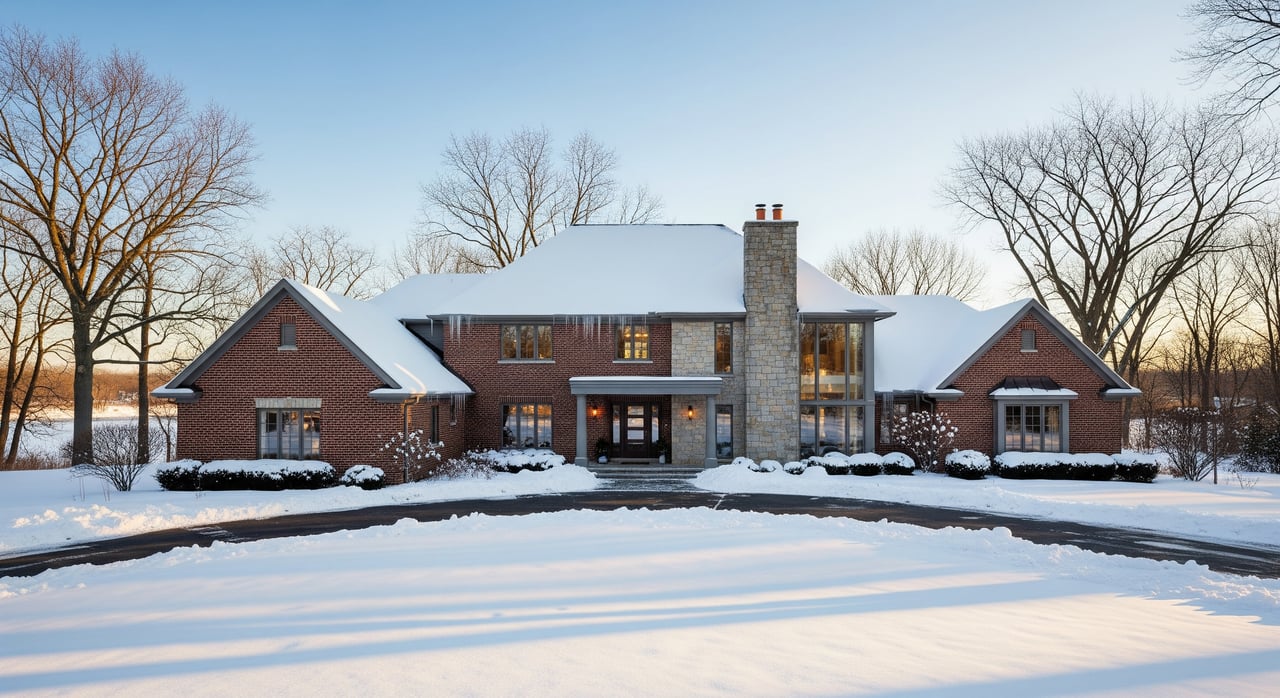
Appleton Winter Real Estate Trends for Buyers and Sellers
November 27, 2025
November 27, 2025
Are you wondering if winter is a good time to move in Appleton? You are not alone. Many people hear that spring is best, then see homes still selling in December and January and feel unsure about timing. This guide gives you clear, local insight into how winter shapes Appleton home prices, days on market, and negotiation power, plus what you can do next whether you plan to buy or sell. Let’s dive in.
Across the U.S., housing follows a familiar rhythm: activity slows in late fall and winter, then builds again in spring and early summer. In the Upper Midwest, colder weather and shorter days usually make that winter slowdown a bit stronger. In Appleton and the broader Fox Valley, that means fewer new listings, a smaller but more motivated buyer pool, and slightly longer days on market.
You may also see softer pricing in winter compared with summer peaks. The size of that shift varies by year and interest rate trends. The practical move is to use current local MLS or Wisconsin Realtors Association updates for exact month-to-month figures, then plan your timing and strategy around that snapshot.
New listings in Appleton typically dip in December and January, with inventory often reaching a low point around late December into January. Activity tends to stir in February and pick up more in March and April. Some sellers wait for spring, while others list in winter due to relocations or life events.
Buyer traffic is usually lighter in winter. The people who do shop tend to be serious about timing. Job transfers, financial calendars, and personal deadlines keep winter buyers focused.
If mortgage rates rise in winter, demand can cool further. If rates ease, you could see more activity even before spring. Your best move is to have financing ready and stay close to the latest local updates so you can act quickly when the right home or buyer appears.
Fewer active buyers in winter often stretch days on market. That extra time can shift some negotiation leverage toward buyers, especially for homes that need visible updates or where curb appeal is hard to showcase under snow.
For sellers, this does not mean you cannot win. It means you should price with precision, invest in strong visuals and staging, and highlight maintenance and energy features that matter in cold weather. Buyers can use longer days on market to discuss price, credits, repairs, or timing.
Median sale prices often dip modestly in winter compared with late spring or summer peaks. In hotter years, that winter dip can be small. In more balanced periods, you may see lower sale-to-list ratios and more price reductions.
The smart path is to focus on direction, not exact numbers, unless you have current Appleton or Outagamie County data in hand. Check recent monthly stats for median price, days on market, and sale-to-list ratio to set expectations before you list or make an offer.
Cold and snow change how you show, inspect, and evaluate a home. Plan for the following:
Wisconsin jurisdictions commonly use a January 1 property assessment date. Because practices can vary by municipality, confirm specifics with the Outagamie County assessor. Assessment timing and tax proration can influence your closing timeline and who covers what portion of the tax year.
Families often plan moves around the school calendar. That preference is one reason spring listings surge, which can affect both supply and demand in Appleton.
Here is a simple way to think about winter decisions:
Winter does not have to work against you. With the right plan, you can use seasonality to your advantage. At Batterman Integrity Group, you get concierge-level guidance and enterprise-grade marketing built for Fox Valley conditions. That includes professional staging and photography, video and drone assets, targeted digital outreach, and a pricing and negotiation plan tuned to current Appleton metrics.
If you are planning a move between December and March, or weighing winter versus spring timing, let’s talk about your options and your best next step. Connect with the team at Batterman Integrity Group to Schedule a Free Consultation & Home Valuation.
Stay up to date on the latest real estate trends.

Buying & Selling / Homeownership
Smarter Decisions. Stronger Homes. (Presented by Batterman Integrity Group + StructSolve Engineering)

Buying & Selling / Homeownership
Smarter Decisions. Stronger Homes. (Presented by Batterman Integrity Group + StructSolve Engineering)

Buying & Selling / Homeownership
Smarter Decisions. Stronger Homes. (Presented by Batterman Integrity Group + StructSolve Engineering)
Get assistance in determining current property value, crafting a competitive offer, writing and negotiating a contract, and much more. Contact us today.