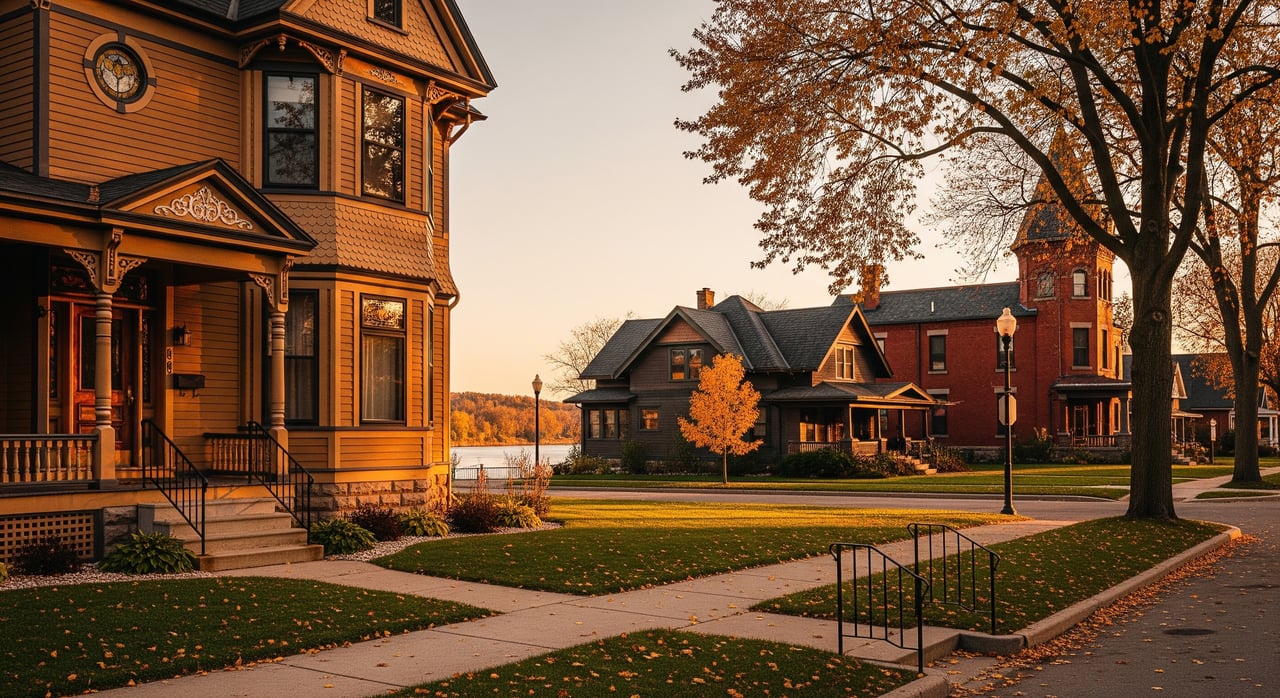
Living in Appleton Wisconsin: Historic Neighborhood Guide
February 5, 2026
February 5, 2026
Love tree-lined streets, front porches, and the option to stroll to coffee or a live show? If you are drawn to character and walkability, Appleton’s historic core offers a lifestyle that blends riverfront scenery with a vibrant downtown. In this guide, you’ll explore the major historic neighborhood types, common house styles, and what to consider when buying or selling an older home. You’ll leave with a clear picture of daily life, plus practical next steps for your move. Let’s dive in.
Appleton sits along the Fox River and anchors the Fox Cities region in northeast Wisconsin. The river shaped the city’s earliest neighborhoods, many of which still feel connected to the water and downtown. College Avenue is the pedestrian-friendly spine of the city, with independent restaurants, shops, and cultural venues that fuel daily life.
You also have Lawrence University near downtown, which brings arts, lectures, and campus energy to nearby residential blocks. The Hearthstone Historic House Museum highlights the river’s 19th-century story and makes the surrounding area a natural fit for history lovers. Public bus service via Valley Transit helps you navigate the region without a car, and seasonal events downtown add to the walkable appeal.
If you want to step out your door and be near dining and entertainment, look near College Avenue and the adjacent downtown streets. These blocks are denser, with small urban lots and mixed-use buildings where ground-floor retail meets residential living above. Sidewalks and crosswalks make it easy to move around on foot at many times of day.
You’ll see a mix of apartments, condos, and historic buildings that have been adapted for modern living. Setbacks are shorter and lots are smaller than in newer subdivisions, which keeps the streetscape lively. Some older homes nearby have been converted to multi-unit residences or offices, depending on zoning and demand.
Your routine might include a morning coffee run, a quick bus ride, and an evening show or gallery stop. Farmers’ markets and seasonal festivals add energy to the Avenue. If you value convenience and a social street scene, this area delivers.
For a residential feel with history at every corner, the streets near the Fox River and the Hearthstone Historic House Museum are worth a look. Homes here often date to the late 19th and early 20th centuries, with tree-lined blocks and parks within easy reach. Many residents mention the calm of the river and the appeal of older architecture.
Expect turn-of-the-century houses, including larger statement homes and well-preserved single-family residences. You may find wrap-around porches, detailed trim, and original woodwork that has stood the test of time. Nearby parks and river trail access help balance the quiet feel with outdoor activity.
Inventory can be limited, and well-kept historic homes can draw strong interest. Some properties have been adapted over time, so it is smart to confirm current use and any renovation history. The result is a pocket of Appleton where heritage and everyday comfort meet.
Just off campus, you’ll find traditional single-family blocks with mature trees and porches, along with some multi-unit homes close to the university. The presence of campus events and facilities adds cultural variety to the residential rhythm.
House sizes vary, from modest bungalows to larger homes. The streetscape is classic and walkable, and the mix of owner-occupied and rental properties can shift block by block. If you enjoy being near concerts, lectures, and galleries, these neighborhoods are a natural fit.
Look closely at the specific street you are considering, noting parking patterns and proximity to campus venues. If you plan to rent part of your home, confirm permitted uses with local zoning staff. You can capture a blend of activity and calm with the right address.
Beyond downtown-adjacent areas, Appleton has grids of historic blocks built between the 1890s and 1930s. These neighborhoods share familiar patterns: sidewalks, mature trees, smaller lots, and a strong sense of place.
These styles often appear side by side, creating visual variety while maintaining a consistent historic feel.
Older homes are special, and they ask for thoughtful due diligence. A strong inspection is your first line of protection and planning.
Maintenance and restoration costs can be higher on older structures, especially when you choose historically accurate materials. Insurance premiums may also be higher if major systems are dated. It is wise to get quotes from insurers early in your search so you can budget with confidence.
If your home sits in a locally designated historic district, exterior changes may require review by the City of Appleton. That can shape your plans for windows, siding, porches, and additions. Federal Historic Rehabilitation Tax Credits typically apply to income-producing properties, not owner-occupied homes. Check with the City and state resources for any current local incentives or design guidelines before you start work.
Walkability can vary by block, so take a practical approach. Start with a simple field test.
These quick checks help you compare areas and choose the right street for your routines.
The Appleton Area School District serves most of the city. School boundaries, programs, and performance data can change, so review the latest district information when you narrow your search. If schools are part of your decision, confirm assignments by address.
Valley Transit provides city bus routes that connect downtown, campus, and residential areas. For many buyers, proximity to a bus stop is a useful bonus on top of walkability.
For recreation, the Fox River and the region’s multi-use trails are major assets. Many historic neighborhoods enjoy easy access to parks, viewpoints, and bikeable routes. Regional health care facilities serve Appleton, with clinics and urgent care options across the city.
In many cities, historic homes near the core trade at a premium due to character and location. Appleton follows this general pattern, though the size and condition of each property matter. Inventory of well-preserved historic homes is limited, which can tighten competition.
To get current numbers, compare recent closed sales from the local MLS and cross-check with Outagamie County property records. Look at citywide medians alongside downtown-adjacent zip codes to understand any premium for certain blocks. Because older homes vary widely in updates and maintenance, value can differ even on the same street.
A focused plan helps you win the right house:
When you sell, lean into what makes your property special. Highlight original woodwork, period lighting, built-ins, banisters, and preserved windows where applicable. Position your home’s proximity to College Avenue, river trails, or campus amenities so buyers can picture daily life.
Staging matters in older homes because it helps buyers see both character and functionality. Professional photography and drone visuals can capture rooflines, porches, and the relationship to nearby parks and streets. Clear copy that explains updates to electrical, plumbing, or insulation reduces buyer uncertainty and supports stronger offers.
If historic Appleton living is calling, you deserve a local partner who knows these streets and the rhythms of this market. From walkability checks to historic-sensitive staging and marketing, our team is ready to help you move with confidence. Connect with the warm, concierge-level approach of Batterman Integrity Group to map your plan today.
Stay up to date on the latest real estate trends.

Buying & Selling / Homeownership
Smarter Decisions. Stronger Homes. (Presented by Batterman Integrity Group + StructSolve Engineering)

Buying & Selling / Homeownership
Smarter Decisions. Stronger Homes. (Presented by Batterman Integrity Group + StructSolve Engineering)

Buying & Selling / Homeownership
Smarter Decisions. Stronger Homes. (Presented by Batterman Integrity Group + StructSolve Engineering)
Get assistance in determining current property value, crafting a competitive offer, writing and negotiating a contract, and much more. Contact us today.