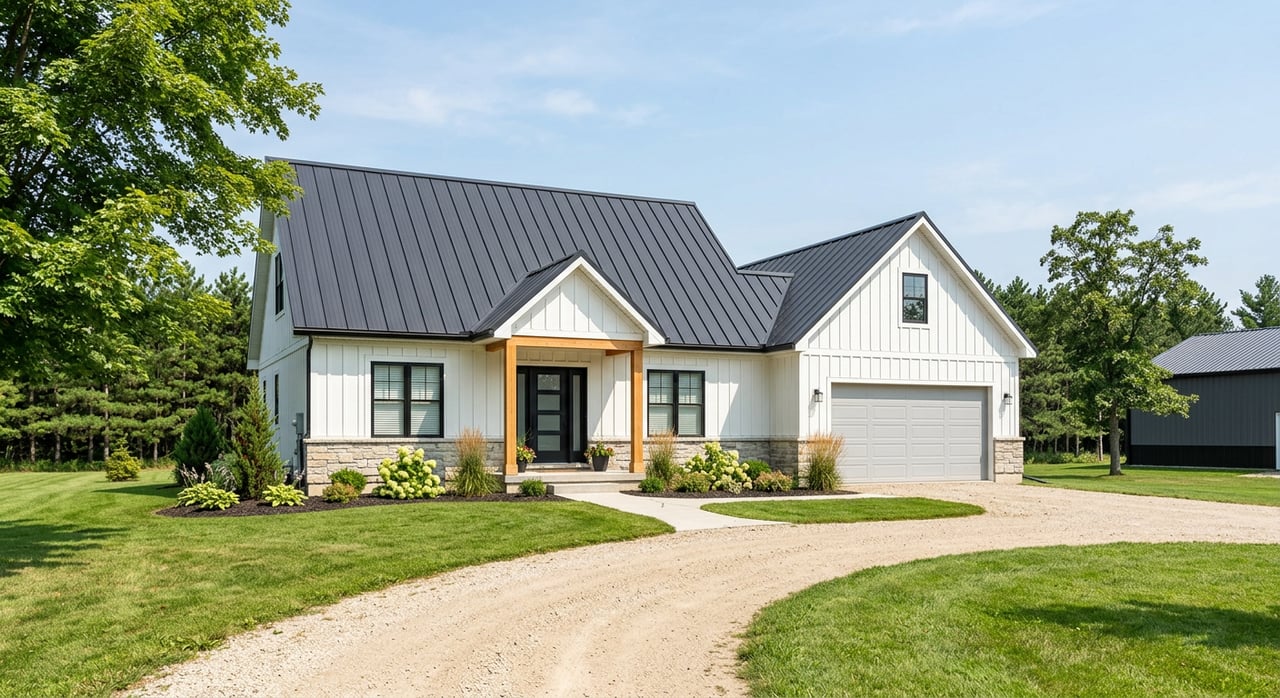
Comparing Hortonville Rural Living and City Life in Appleton
March 5, 2026
March 5, 2026
Craving more space and privacy, but not sure if rural living near Hortonville or an in-town Appleton address is the better fit? You are not alone. Many Fox Valley buyers weigh acreage, outbuildings and quiet roads against shorter commutes, municipal utilities and easier resale. In this guide, you will learn the practical tradeoffs, what to verify before you write an offer, and how to protect your plans for future projects. Let’s dive in.
If you want room to spread out, rural parcels around Hortonville often deliver acreage, tree lines, and the chance to add larger outbuildings. In town, Appleton homes favor convenience, predictable permitting, and municipal services. Both options can work. The right choice depends on how you live, how you commute, and how soon you may want to sell.
Most single-family lots inside Appleton are urban or suburban in scale, often under about 0.25 to 0.5 acre in established neighborhoods. Rules for lot coverage, setbacks, and accessory structures vary by zoning district. Before assuming a shed, extra garage, or studio will fit, check the property’s zoning and standards in the city’s resources and confirm any permit steps with the city. The City of Appleton Department of Utilities also helps clarify whether an addition will interact with municipal systems, which can simplify approvals for projects that do not add bedrooms tied to septic. You can review municipal service information through the City of Appleton Utilities.
Outside village limits, many active listings around Hortonville show 1 to 5 acre parcels, with occasional larger tracts. Buyers often look at these for hobby farming, workshops, or pole buildings. Accessory building rules are set by the parcel’s jurisdiction, so start by confirming if the property sits inside the Village of Hortonville or in unincorporated Outagamie County. Use the Outagamie County Parcel & Planning GIS viewers to verify jurisdiction, zoning district, and any overlays like shoreland or floodplain. Then confirm setbacks, size limits, and any animal or use restrictions with the appropriate municipality or the county.
Outbuildings usually require a building permit. Fees and steps vary by location. As one local example, the Town of Ellington publishes a fee schedule that includes sheds and garages, which illustrates how communities set their own rates and processes. You can view a sample at the Town of Ellington building permits page. Always verify the rules for the specific parcel you are considering.
In town, Appleton homes typically connect to municipal water and wastewater, operated by the City of Appleton Department of Utilities. This reduces the number of variables when you plan additions that do not create new bedrooms or expand wastewater loads. Municipal inspections still apply, but you are not managing private well or septic design.
Many “near Hortonville” properties outside the village rely on a private well and a Private Onsite Wastewater Treatment System (POWTS). If you plan to add bedrooms, plumbing, or a separate structure that changes wastewater load, budget for a county sanitary permit and soils work. Outagamie County requires soil testing by a Certified Soil Tester and sanitary permits designed by a qualified professional. Where soils require nonconventional systems like mound or at-grade designs, county or state plan review may be needed before a building permit is issued. Review requirements on the Outagamie County Sanitary and Septic Permits page. The safe rule of thumb is simple: expect a permit and soils step before you can add bedrooms or build on an unsewered parcel.
Inside the Village of Hortonville, municipal services are provided within village limits. Outside the village, private wells and septic are common, and refuse or snow services may be handled by the town or private haulers. You can find village resources through the Village of Hortonville website. For Appleton, municipal water and wastewater are city-operated, and codes, inspections, and service standards are well defined. Always confirm service type for a specific address using the county parcel viewer and the municipality’s utilities pages.
Rural internet access is improving, but it is still address-specific. Outagamie County has an active broadband expansion effort, including a partnership to connect hundreds of rural locations, with service beginning as early as Q1 2026 and a construction window of about two and a half years. Learn more on the county’s Broadband program page, then check availability with ISPs for the exact property you are considering.
Hortonville sits northwest of Appleton. As a general reference, the drive from Hortonville to Appleton’s regional airport (ATW) is about 10 miles. From many rural Hortonville-area parcels to central Appleton, drive times often run about 15 to 30 minutes depending on the origin, destination, and traffic. For your specific routine, map your addresses with your preferred tool; you can use this Hortonville-to-ATW distance reference as a starting point.
Appleton addresses are generally served by the Appleton Area School District, and Hortonville addresses by the Hortonville Area School District, but boundaries can shift at the parcel level. If school assignment is important to your decision, confirm the address using district resources and the county GIS viewer’s school layers. Start with the Appleton Area School District site and cross-check boundaries with the Outagamie County GIS viewers.
Market medians vary by data source and time window, so always note the date and provider. As recent examples:
What it means for you: Appleton’s larger buyer pool, including commuters and downsizers, tends to support quicker resale and more consistent pricing. Hortonville’s smaller market can deliver strong results for acreage and lifestyle properties but may take longer and can be more sensitive to one-off sales. For accurate pricing, pull 6 to 12 months of comparable sales for your micro-area and note the source and date range. Use the Outagamie County GIS and parcel tools to anchor your comp search.
Property taxes depend on municipality, school district, and assessed value. Instead of guessing, estimate with the county’s tool on the Outagamie Treasurer’s tax rates and estimator page. For insurance, rural properties with outbuildings, livestock, or shoreland features may need different coverage. If the county GIS shows floodplain overlays on a parcel, you may need flood insurance. Get quotes early, especially if you plan to add structures.
Choose rural near Hortonville if you prioritize privacy, acreage, and the flexibility to add workshops or barns. Be ready to manage private wells and septic, along with permitting and soils work. Choose in-town Appleton if you value walkability to services, municipal utilities, and a broader buyer pool for future resale. Either path can work well when you verify jurisdiction, utilities, and permitting early.
If you want a local, no-pressure sounding board, we are here to help. For parcel checks, zoning and utility confirmations, and a pricing plan tailored to your goals, connect with Batterman Integrity Group to Schedule a Free Consultation & Home Valuation.
Stay up to date on the latest real estate trends.

Buying & Selling / Homeownership
Smarter Decisions. Stronger Homes. (Presented by Batterman Integrity Group + StructSolve Engineering)

Buying & Selling / Homeownership
Smarter Decisions. Stronger Homes. (Presented by Batterman Integrity Group + StructSolve Engineering)

Buying & Selling / Homeownership
Smarter Decisions. Stronger Homes. (Presented by Batterman Integrity Group + StructSolve Engineering)
Get assistance in determining current property value, crafting a competitive offer, writing and negotiating a contract, and much more. Contact us today.