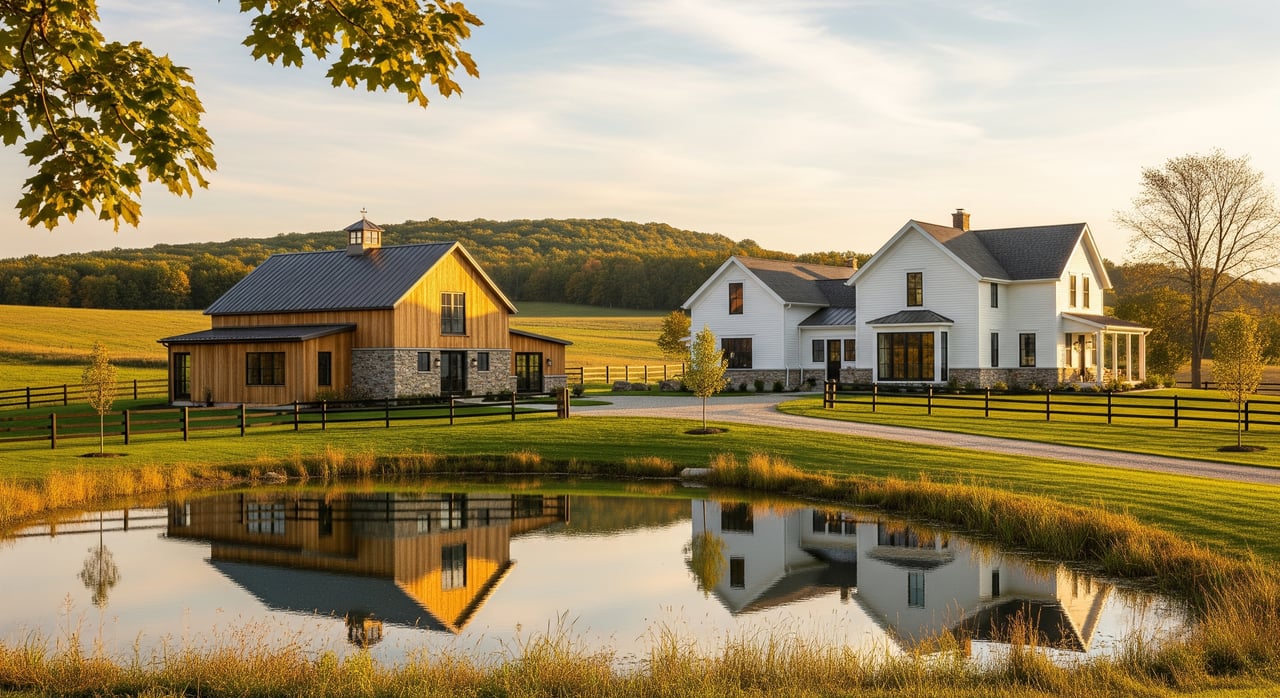
How to Price Rural Property Near Hortonville, WI
January 15, 2026
January 15, 2026
Thinking about selling your acreage near Hortonville? You are not alone. More buyers are trading shorter commutes for privacy, space, and room for hobbies, and that makes pricing strategy more important than ever. In this guide, you will learn what drives rural demand around Hortonville, the four biggest price levers on land and improvements, a practical comps framework, and a simple checklist to get ready. Let’s dive in.
Rural demand around Hortonville is shaped by proximity to the Fox Cities and the I-41 corridor. Many buyers work in Appleton, Neenah, or Menasha and will accept a longer drive for land and privacy. Remote and hybrid work continues to support interest in properties within a reasonable drive of regional job centers.
Interest rates influence how many buyers are active and what they can afford. When rates rise, the buyer pool for larger acreages tends to shrink. Recreational appeal also matters. Parcels with hunting potential, trail access, or water features can see a premium from buyers who value outdoor use.
Agricultural economics play a role too. Tillable acres may track commodity prices and local farm profitability, while hobby farmers and equestrian buyers often look at usability and outbuilding setup more than pure crop value. Typical buyers include Fox Cities commuters seeking space, hobby farmers and horse owners, outdoor recreation buyers, empty nesters wanting manageable acreage, and a small number of investors looking at timber, recreational leases, or long-term possibilities under local zoning.
Acreage value is not one-size-fits-all. The first several acres that create a home site and privacy buffer usually carry the highest per-acre value. Smaller hobby-farm parcels in the 5 to 20 acre range often command a higher per-acre price than much larger tracts, which tend to be marketed for timber or broad recreation.
Usability matters as much as size. Tillable fields, fenced pasture, open building sites, and ground suitable for small-scale farming drive value. Wetlands, steep slopes, or non-buildable wooded areas lower the effective value. Parcel shape and access also count. Compact, contiguous parcels with convenient frontage are more attractive than long flag lots or fragmented pieces.
Functional, well-built barns, detached garages, equipment sheds, and horse facilities can add real value, especially for hobby farm and equestrian buyers. Condition is critical. Solid structures with electricity, heat, concrete floors, or integrated shop space attract attention, while rusting or unsafe buildings can be neutral or even negative.
Permits and adaptability also influence price. Documented permits for past construction reassure buyers and lenders. Flexible buildings that can serve as workshops, storage, or potential accessory dwelling spaces increase marketability. Unpermitted structures can complicate financing and timelines.
Legal and physical access affect price and financeability. Frontage on a paved, county or town-maintained road is a plus. Seasonal or minimally maintained roads, or access by private easement only, can reduce the buyer pool and add lender hurdles.
Shared, long driveways should have a clear maintenance agreement to avoid closing delays. Drive time to services matters even to rural buyers. Convenience to groceries, emergency services, and routine needs plays into pricing decisions.
Most rural properties rely on private well and septic. The condition, capacity, and documentation for these systems influence value. A septic that limits bedroom count or an older well with low yield can push buyers to discount price or request concessions.
Access to high-speed internet is increasingly important, especially for remote workers. Where fiber or reliable fixed wireless is available, buyer interest typically rises. Power service capacity can also matter if a buyer wants to run a serious shop or hobby farm operation.
Zoning and use restrictions can shape demand. Agricultural zoning may limit subdivision or certain residential uses, which changes how buyers view the property. Conservation easements and land trust restrictions reduce flexibility and often reduce price.
Environmental factors like DNR-mapped wetlands or FEMA floodplains affect developability and permitting. Soil types influence both septic suitability and tillable potential. Taxes and running costs matter too. Enrollment in programs like Managed Forest Law or agricultural use-value assessment can lower taxes, but there may be penalties to remove a property from these programs. Buyers consider these details when comparing options.
In rural Outagamie County, data can be thin. That makes disciplined comp selection essential. Start with recent solds and adjust your search radius if you need comparable acreage and utility profiles.
When a property combines a home with significant acreage, separate value into house and land components.
This approach helps you avoid overvaluing large acreages and gives buyers a clear, rational pricing story.
Adjustments will vary with local data and buyer feedback, but these patterns are common:
Set yourself up for a smoother sale and stronger pricing with a focused prep plan:
A tidy, well-documented property reads as lower risk and higher value to buyers.
When you are ready to confirm facts for pricing or disclosures, go straight to authoritative sources:
If you need help gathering these items, a local agent can coordinate the requests and interpret what matters to buyers.
A strong pricing plan deserves strong presentation. With rural properties, that means clear comps, accurate land and building details, and visual storytelling that shows how the land lives. You benefit when buyers can picture daily life, projects, and recreation on your acreage.
At Batterman Integrity Group, you get concierge service and enterprise-grade marketing paired with local expertise in the Fox Cities and surrounding counties. Our team brings professional staging, photography, and drone coverage to highlight usability, outbuildings, and access. We target digital campaigns to reach commuters, hobby farmers, equestrian buyers, and outdoor enthusiasts, and we back it all with responsive, relationship-driven service.
We will help you separate house and land value, select the right comps, and prepare the records buyers and lenders expect. The result is a pricing story that stands up to scrutiny and marketing that maximizes demand.
Ready to talk through your acreage and timeline? Connect with the team at Batterman Integrity Group to map your pricing strategy and next steps.
Stay up to date on the latest real estate trends.
Get assistance in determining current property value, crafting a competitive offer, writing and negotiating a contract, and much more. Contact us today.